
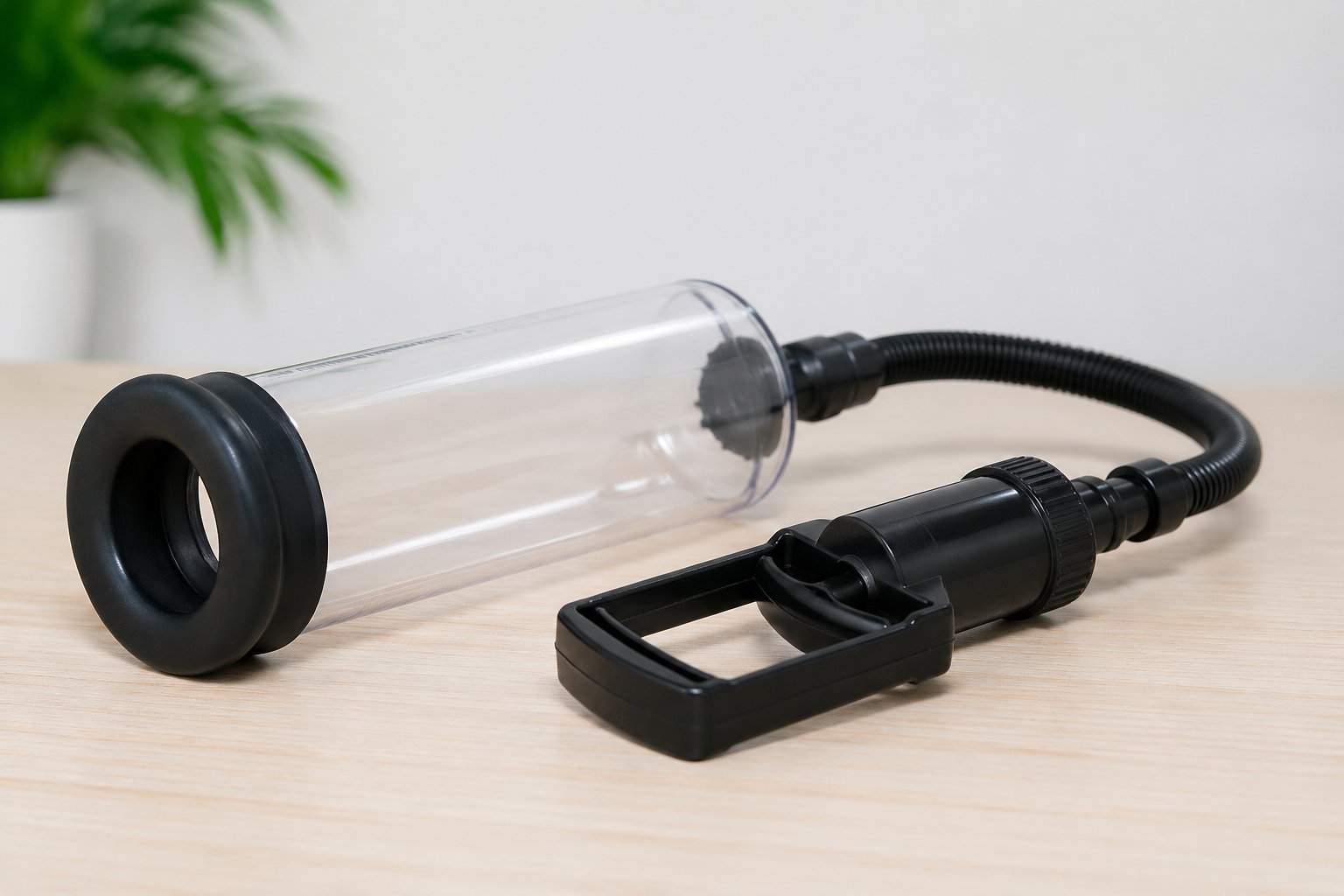
How to Increase Penis Size
Increase Penis Size: Effective Methods and Safe OptionsUnderstanding Penis Size and EnlargementPenis size is something...
💡 Key Takeaways
- Penis pumps do work, but for specific, clinically supported purposes, not the ones most marketing promotes.
- Vacuum erection devices (VEDs) are a legitimate, non-invasive ED treatment, especially when oral medications have failed or are contraindicated.
- VED-based penile rehabilitation after prostatectomy is recognized by the American Urological Association and supported by peer-reviewed research.
- The constriction ring is essential. Without it, any erection achieved will fade within seconds of releasing the vacuum.
- No peer-reviewed evidence supports permanent size gains from regular penis pump use.
- Consult a urologist before starting to confirm a VED is appropriate and to select a clinical-grade device.
Does a Penis Pump Actually Work? Here's the Clinical Answer
You've come across a penis pump, maybe a urologist mentioned it, or an ad caught your eye. Either way, you're wondering whether it actually does anything useful. That's a fair question, and one most men are too uncomfortable to ask directly.
The short answer: yes, penis pumps actually work. Clinical evidence confirms that vacuum erection devices (VEDs) produce real, usable erections and play a well-established role in post-surgical rehabilitation. They're a validated option for ED, particularly when oral medications have failed, and a recognized tool in penile rehabilitation after prostatectomy.
The results won't match the marketing hype. But they're more genuinely useful than most men expect. Expectations tend to get shaped by anecdote and aggressive advertising rather than evidence. So let's go through exactly what these devices can and can't do.
Does a Penis Pump Actually Work for ED?
For men with erectile dysfunction, a penis pump offers a practical, non-invasive option, especially where oral medications haven't worked or are medically off the table. The device creates a vacuum around the penis, drawing blood into the penile tissue and producing an erection firm enough for intercourse. For many men, that's a meaningful outcome.
What makes or breaks the result is the constriction ring. You apply it at the base of the penis right after pumping. It stops blood from flowing back out and holds the erection in place. Skip it, and the effect is gone within seconds. Use it correctly, and it becomes the functional cornerstone of the whole approach.
Vacuum erection devices remain one of the most underutilized non-invasive options for erectile dysfunction. Used correctly, they can restore sexual function for men who haven't responded to oral medications, and they're an important part of recovery after prostate surgery., Urological sexual health consensus, AUA clinical guidance
Penis Pump Use for Rehabilitation After Prostatectomy
This use case gets far less attention than ED treatment, but clinically, it's just as well supported. Surgical removal of the prostate frequently damages the nerve bundles responsible for natural erections. Left unaddressed, this can lead to penile shortening and tissue changes that make future recovery harder.
Consistent penis pump use in the weeks following surgery serves several purposes: it preserves penile length, promotes tissue oxygenation, and creates conditions more favorable to nerve recovery. In serious post-operative care protocols, this isn't an optional extra, it's a standard part of rehabilitation.
The evidence is solid. Köhler et al. (2007BJU International) demonstrated that early VED use after nerve-sparing radical prostatectomy preserved penile length and supported erectile tissue health. The American Urological Association recognizes VED-based rehabilitation as part of post-prostatectomy care planning. This is a clinically validated path, not a fringe add-on.
How to Use a Penis Pump Safely
Effectiveness depends on correct, consistent use. Misuse, particularly around pressure and duration, reduces results and raises risk. Follow these guidelines:
- Session duration: Cap each session at 30 minutes. Longer exposure to the vacuum can cause tissue damage, bruising, or petechiae (small burst blood vessels under the skin).
- Pressure limits: Only use devices with a built-in pressure gauge or safety release valve. Excessive negative pressure is the most common cause of injury. Most clinical-grade devices cap safe pressure at around 250, 300 mmHg. Never exceed the device's stated maximum.
- Constriction ring time limit: The ring must come off within 30 minutes of application. Beyond that, restricted blood flow causes tissue damage. Set a timer every time.
- Contraindications: Do not use a penis pump if you have a bleeding disorder, take anticoagulants such as warfarin or apixaban, have a history of priapism, or have a penile implant. If you have a cardiovascular condition or Peyronie's disease, speak with a urologist before starting.
- Frequency: In rehabilitation protocols, once-daily use is typical. For ED management, use as needed, but allow adequate recovery time between sessions.
- Lubrication: Apply a water-based lubricant to the base of the cylinder before each session. This improves the seal, reduces skin irritation, and makes the device easier to remove safely.
- Gradual pressure increases: Don't go straight to maximum pressure in your first few sessions. Build up gradually so your body can adjust and you can find your personal comfort threshold.
If you notice pain, numbness, or cold or discolored skin during use, remove the device immediately.
What About Permanent Size Gains?
This is the claim that drives most consumer interest in penis pumps, and the one with the least clinical support. Let's be direct: pumps don't permanently increase size.
VEDs temporarily increase penile engorgement by drawing blood into the shaft. That effect is transient. No peer-reviewed evidence supports lasting size increases from regular penis pump use in men without an underlying medical condition. What you notice is temporary fullness, not a permanent structural change.
Common Mistakes to Avoid
- Skipping the constriction ring: Without it, the erection fades within seconds of releasing the vacuum. The ring is not optional for ED use.
- Pumping too aggressively: More pressure doesn't mean better results. It means a higher risk of burst vessels and bruising. Stay within the recommended range and increase slowly.
- Inconsistent use during rehabilitation: Post-prostatectomy rehab requires daily, consistent use over months. Sporadic sessions produce limited benefit. Think of it like physical therapy, skipping sessions sets you back.
- Buying unregulated devices: Penis pumps sold without pressure controls or safety valves aren't clinical-grade. These are the devices most commonly associated with injury. If the product listing doesn't mention a pressure gauge or safety valve, move on.
- Ignoring cylinder fit: A cylinder that's too wide or too narrow reduces the effectiveness of the vacuum and raises the risk of skin pinching or uneven pressure. Most clinical-grade brands offer multiple sizes. Choose one sized for your anatomy.
- Expecting permanent enlargement: Set realistic expectations before you start. It saves both frustration and misuse.
- Using oil-based lubricants with silicone cylinders: These can degrade the material over time. Stick to water-based lubricants to protect both your skin and the device.
What to Do Next
If you're considering a penis pump for ED or post-surgical recovery, take these steps before purchasing:
- Consult a urologist. A urologist can confirm whether a VED is right for your situation, rule out contraindications, and point you toward a clinical-grade device. This is especially important during post-prostatectomy recovery, where timing matters.
- Choose a clinical-grade VED. Look for a calibrated pressure gauge, a safety release valve, and correctly sized cylinders. Brands such as Osbon ErecAid and Encore are widely used in clinical settings and have a strong safety track record. Avoid novelty devices marketed primarily for enlargement, they're not built for medical use. For a full comparison of tested options, see our penis pump buying guide.
- Set realistic expectations. VEDs work best as part of a broader treatment plan. Ask your doctor about combination approaches, such as pairing penis pump use with PDE5 inhibitors, where that's appropriate for your situation.
- Track your progress. Keep a simple log of session dates, duration, and any discomfort. This helps your urologist adjust your protocol and gives you a clearer picture of what's working.
So does a penis pump actually work? Within the right clinical context, yes, and the evidence is solid. As a non-invasive erection aid, a VED gives men with ED or post-prostatectomy nerve damage a real path forward. It won't deliver permanent size changes, and technique matters more than most people realize. Used correctly, with guidance from a urologist and realistic expectations, it offers a genuine route to improved sexual function.
Frequently Asked Questions
Does a penis pump actually work for ED?
Yes. Penis pumps are a clinically validated ED treatment, particularly useful when oral medications haven't worked or aren't an option. The device draws blood into the penile tissue to create an erection. With correct use of a constriction ring, that erection can be sustained long enough for intercourse. Studies show satisfaction rates comparable to some oral medications, especially in men with vascular or nerve-related ED.
What are the proven benefits of penis pumps beyond ED treatment?
The strongest evidence-backed secondary benefit is penile rehabilitation after prostatectomy. Regular penis pump use post-surgery helps preserve penile length, promote tissue oxygenation, and support nerve recovery. This use is recognized by the American Urological Association and supported by peer-reviewed research. Some men also report improved confidence and reduced performance anxiety when using a VED as part of a structured plan.
Why is the constriction ring necessary?
The vacuum creates an erection by pulling blood into the penis, but the moment you release that vacuum, blood flows right back out. The constriction ring stops that from happening. Applied at the base immediately after pumping, it keeps blood in place and maintains the erection. Without it, you'll lose the effect within seconds. One important note: the ring must come off within 30 minutes to avoid restricting blood flow for too long.
How long should a single pumping session last?
Keep sessions to 30 minutes or less. Going beyond that increases the risk of bruising, petechiae (small burst blood vessels), and tissue damage. More time in the pump doesn't improve outcomes, it just adds risk.
Can penis pumps permanently increase size?
No. Any size increase from pumping is temporary engorgement, extra blood in the tissue, not a structural change. Once blood flow returns to normal, so does size. No peer-reviewed evidence supports lasting size gains from regular penis pump use in men without an underlying medical condition.
Who should avoid using a penis pump?
Men with bleeding disorders, those taking anticoagulants such as warfarin or apixaban, anyone with a history of priapism, or those with a penile implant should not use a VED. If you have a cardiovascular condition or Peyronie's disease, talk to a urologist before starting. They can assess whether the benefits outweigh the risks in your specific case.
What makes a penis pump clinical-grade?
Clinical-grade devices include a calibrated pressure gauge, a safety release valve, and cylinders sized for medical use. These features let you monitor and control the vacuum accurately, and that's what separates a safe, effective device from a hazardous one. Pumps sold without pressure controls are the most common source of injury and have no place in a medical context.
Should I see a doctor before using a penis pump?
Yes, and it's worth the appointment. A urologist can confirm whether a VED suits your condition, flag any contraindications you might not be aware of, and guide you toward the right device. This is especially important for post-prostatectomy recovery. When you start, and how consistently you use the device, makes a significant difference to outcomes.
References
- Köhler, T.S., et al. (2007). A pilot study on the early use of the vacuum erection device after radical retropubic prostatectomy. BJU International100(4), 858, 862.
- American Urological Association (AUA). Erectile Dysfunction: AUA Guideline. Available at: auanet.org.
Related Guides in this Category
All Getting Started →


Ready to experience live cams?
Watch Live Cams Free