

Masturbation, A Way of Sexual Pleasure
Does masturbation relieve stress? We'll answer this question by reviewing the scientific data and the advantages and disadvantages of this practice here.
💡 Key Takeaways
- Masturbation is a legitimate form of sexual pleasure and one of the clearest paths to genuine self-awareness.
- Sexual intelligence requires knowing what you want, naming it with precision, and communicating it with confidence.
- Intentional solo practice, varying your techniques and paying attention to your mental reactions, builds authentic sexual self-knowledge.
- Sexual communication is a learnable skill that improves through deliberate practice, feedback, and repetition over time.
- The skill-building loop: solo practice → self-knowledge → specific language → real conversations → refined self-knowledge.
- Practising preferences aloud, and choosing low-stakes moments to share them, are the most effective first steps towards better communication.
Not a Backup
(You already know what you want in bed before anyone else does.) The most honest conversations about your preferences usually start with what you've already worked out on your own. Masturbation, a deeply personal form of sexual pleasure, is often where that foundation actually gets built, not a consolation prize for when a partner isn't around, it's a direct route to real sexual self-awareness, and that self-awareness strengthens intimacy in every direction you take it.
Yet despite how common solo practice is, stigma and silence keep most people from exploring it fully.
Fewer still use it as an actual learning tool.
This guide is built on a straightforward premise: sexual communication is a learnable skill, not a personality trait you're born with or without. For most people, solo practice is where that skill begins. Whether you want to deepen your relationship with your own body, communicate more clearly with a partner, or simply understand what you actually enjoy, this is a practical, judgement-free resource. It draws on sexual health research and frameworks supported by organisations such as the American Sexual Health Association (ASHA), as well as the clinical work done in sex-positive therapy.
Quick Answer
Masturbation is one of the most effective tools for building sexual self-awareness and improving how you communicate with a partner. This guide shows you how to use solo practice intentionally, so what you learn alone translates into clearer, more confident conversations about sex. Start with the core process section below.
Building Sexual Intelligence
Sexual intelligence isn't about performance numbers or advanced techniques. It's about knowing what you want, being able to name it without awkwardness, and feeling confident enough to say it out loud when it matters. Masturbation, as a consistent solo practice and a genuine form of sexual pleasure, directly develops all three components simultaneously.
When you explore your body without a partner's expectations in the room, you get accurate, firsthand information that no one else can give you. You learn what kind of touch you prefer at different moments, what pace works best, what context helps you relax, and what scenarios hold your attention longest. That information isn't abstract or vague, it's specific. And specificity is exactly what makes sexual communication work in the real world.
Most people who struggle to talk about sex with a partner aren't holding back intentionally. They genuinely don't know how to name what they want. Solo practice closes that gap.
Solo practice gives you the vocabulary because it gives you the experience first.
Genuine Sexual Pleasure
Masturbation doesn't need to serve any goal beyond the pleasure itself. The physical and emotional satisfaction of solo sex, the release, the body awareness, the orgasmic experiences it can produce, are all worthwhile on their own merits without needing justification. Self-pleasure doesn't need to be justified through a partner communication framework or turned into homework. Erotic satisfaction on its own terms is reason enough.
As sex educator and researcher Emily Nagoski notes in Come as You Are, understanding your own arousal system is one of the most useful things you can do for your sexual wellbeing, whether you're single or partnered. Solo practice is a straightforward way to do exactly that.
Intentional Solo Practice
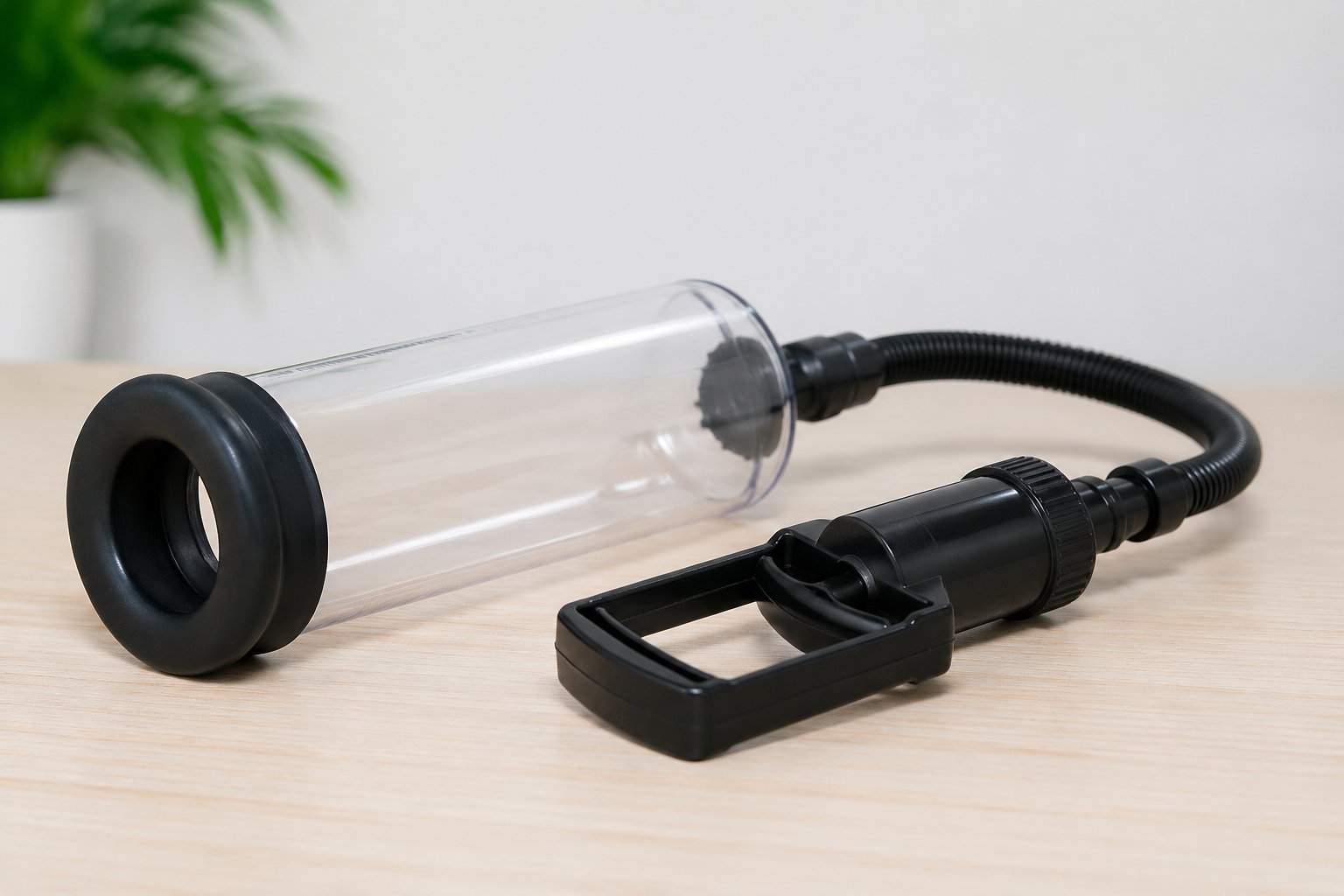
Most people treat masturbation as a release mechanism rather than a learning opportunity, which is fine, but shifting that framing changes what you get out of it. It's also worth knowing that the right tools make intentional practice easier and more informative. A quality lubricant reduces friction and lets you focus on sensation rather than discomfort. Our guide to the best lubricants for solo play covers the main types and what each one works well for. Vibrators and other toys can also help you explore different kinds of stimulation that hands alone don't replicate, especially useful when you're deliberately varying your approach.
Here's a step-by-step process for using solo practice to build genuine sexual self-knowledge:
- Set an intention before you start. Instead of defaulting to the fastest route to orgasm, decide what you want to notice. Keep it simple, for example: "I want to pay attention to what kind of touch feels best early on versus close to orgasm."
- Break your autopilot habits. Most people use the same technique every time because it works. Deliberately vary your approach, try different speed, pressure, position, or setting. Variation reveals preferences you didn't know you had. A vibrator or a different type of toy can open up genuinely new information here.
- Notice what's happening mentally, not just physically. What are you thinking about? What scenarios hold your attention longest? This isn't about judgement, it's about gathering real data on what your arousal actually responds to.
- Pause and check in mid-session. At least once, slow down and ask yourself: what feels good right now? What would feel even better? This builds real-time body awareness, which is exactly what helps during sex with a partner.
- Debrief briefly afterward. You don't need a journal, though it helps some people. Even 30 seconds spent naming one thing you noticed builds the reflective habit over time.
- Translate one observation into language. Practice saying it out loud, even when you're alone. "I prefer slower touch when I'm building up." "Direct pressure doesn't work for me early on." Saying it out loud makes it much easier to say to a partner later.
Partner Scripts
Knowing what you want is step one, but saying it without anxiety is step two. The scripts below are designed to feel low-pressure and natural, grounded in self-knowledge rather than criticism of what your partner's been doing wrong.
When sharing a preference for the first time, frame it as self-knowledge, not a complaint. "I've noticed that I really respond to [X]" lands very differently from "You don't do [X] enough."
Introducing a Preference
"I've noticed that I really respond to [X], I'd love to try that together."
This frames the information as self-knowledge, not a critique. It invites rather than instructs, and that distinction matters more than most people realise.
Redirecting Mid-Act
"Can we try [X] instead? I think I'd love that right now."
Short, present-tense, and focused on what you want rather than what isn't working.
Easy to say. Easy to hear.
Broader Conversations
"I've been thinking about what I enjoy. Can we talk about it sometime? I'd love to hear what works for you too."
Framing it as mutual and curious reduces defensiveness on both sides. You're not delivering a report card, you're starting a conversation.
Responding Well
"Thanks for telling me. I want to understand that better, can you show me or describe it?"
Validating disclosure makes your partner more likely to keep communicating. That compounds over time.
Timing Matters
When you have these conversations matters almost as much as what you say. Mid-act redirects work best when they're brief and positive. Bigger conversations about preferences, boundaries, or patterns land better outside the bedroom, at a calm moment when neither of you is distracted or tired.
Pro Tip: Intentional solo practice builds a feedback loop. Solo practice generates self-knowledge. Self-knowledge produces specific language. Specific language enables real conversations. Real conversations produce feedback from your partner. Feedback refines self-knowledge. Each cycle makes the next one easier, and you're not starting over, you're building on what you already know.
Communication as Skill
Sexual communication is not something you either have or you don't, a fixed trait handed out at birth. It's a skill, and like any skill, it develops through practice, feedback, and repetition.
The mechanics overlap with general communication skills: specificity, good timing, non-defensive listening, separating observation from criticism. But sexual contexts add real layers of vulnerability that make this harder in practice.
Why It's Harder
- Most people receive no real education in how to talk about sex, only what not to do or say.
- Vulnerability is higher. Sexual preferences feel more exposing than most other personal topics.
- Timing matters a lot. The same comment lands very differently mid-act versus over coffee the next morning.
- Many people conflate "sharing a preference" with "criticising a partner" and avoid both to stay safe.
The skill-building loop works like this: solo practice builds self-knowledge, self-knowledge produces specific language, specific language enables real conversations, real conversations produce feedback, feedback refines self-knowledge.
Long-Term Habits
The benefits of intentional solo practice build over time, but only if the practice is sustained rather than attempted once and forgotten. These strategies help make it consistent rather than occasional.
- Anchor it to an existing routine. New habits form faster when they're attached to something already established. It doesn't need to be rigid, just a reliable trigger.
- Remove friction. Anything that makes starting harder, environment, privacy concerns, mental resistance, will reduce how often you actually do it. Address practical barriers directly rather than relying on motivation alone. Having a good lubricant or a toy you enjoy within easy reach is a small but real part of this.
- Vary your approach deliberately. Doing the same thing every time limits what you learn about yourself. Treat variation as a goal, not a disruption. Trying a new toy or a different type of stimulation counts.
- Separate "release" sessions from "learning" sessions. Both are valid. But knowing which one you're doing helps you stay intentional when self-knowledge is the actual goal.
- Use fantasy actively. Rather than passively consuming external material, practice generating your own mental scenarios. This tends to surface more accurate information about your actual desires.
Where to Start
New to This
Start with observation only. Don't try to change anything yet, just notice what's already there. What do you gravitate towards? What do you avoid? What feels good that you've never really paid attention to before?
Spend two or three sessions purely gathering information before trying to apply any of it.
There's no rush.
Already Established
The challenge here is usually autopilot, a routine that delivers results but has stopped teaching you anything new. Introduce deliberate variation by changing one variable per session and noticing what shifts. Adding a toy or a new lubricant texture is a straightforward way to do this without overhauling your whole approach.
Then focus on translation. Practice naming what you notice in language you'd actually use with a partner.
Partner Communication Focus
Use solo sessions as rehearsal. After identifying a preference, practice saying it out loud to yourself first. Then choose one low-stakes moment outside the bedroom, somewhere pressure is lower, to bring it up. Build from there.
Mistakes to Avoid
- Treating every session as purely functional. If orgasm is always the only goal, you're not using solo practice as a learning tool. That's fine sometimes, but if it's always the case, you're leaving real self-knowledge behind.
- Assuming your preferences are fixed. What worked at one point in your life may not be what you prefer now. Preferences shift with age, stress, relationship context, and experience. Stay curious.
- Skipping the translation step. Knowing what you want internally and being able to communicate it to a partner are two different skills. Most people develop the first and completely neglect the second.
- Conflating shame with preference. Sometimes people avoid certain types of stimulation not because they don't enjoy them, but because they've absorbed stigma around them. Worth unpacking, ideally with a sex-positive therapist if needed.
- Waiting for the "right moment" to talk to a partner. There is no perfect moment. Choose a calm, private, non-sexual context and start simply. Done imperfectly beats not done at all, every time.
Avoid conflating shame with preference. Sometimes people avoid certain types of stimulation not because they don't enjoy them, but because they've internalised stigma around them. These are worth untangling separately, potentially with a sex-positive therapist.
Next Steps
You don't need to overhaul your entire approach at once. Start here:
- This week: Use one solo session with a single intention. Pick one thing to notice that you haven't paid attention to before.
- This week: After the session, take 30 seconds to put one observation into words. Say it out loud if you can.
- Within the next two weeks: If you have a partner, choose one low-stakes moment outside the bedroom to share one preference. Frame it as something you've noticed about yourself, not a critique.
- Ongoing: Treat sexual communication as a skill you're actively building. Return to the scripts section whenever a specific conversation feels difficult. The more you practice naming what you want, the easier it becomes to ask for it.
Sexual self-knowledge isn't a destination, it's a practice. Masturbation, as a form of sexual pleasure and self-discovery, is one of the most honest starting points available. Don't wait for perfect conditions. Start with step one today, and notice how that shift in awareness, language, and confidence gradually changes both your solo experience and your shared ones.
Ready to go deeper? Browse our guides on best lubricants for solo play and sex-positive therapy for further reading, or explore our product reviews to find tools that support your practice.
Wrapping Up
The connection between solo practice and better partner communication isn't mysterious or complicated. It's a learnable, repeatable process that starts with paying attention to your own body, builds through naming what you notice, and develops further through low-stakes conversations that get easier each time. Masturbation as sexual pleasure stands on its own. Using it as a tool for self-knowledge and communication is simply an added benefit you can choose to access whenever it serves you.
Start with one intentional session this week.
Related Guides in this Category
All Getting Started →

Ready to experience live cams?
Watch Live Cams Free